Your driveway is one of the first things people notice about your home. It also takes a serious beating — from the Queensland sun to heavy vehicles and everything in between. While small cracks can often be patched, there comes a point where repairs are just delaying the inevitable.
Here are five signs it might be time for a full driveway replacement rather than another round of repairs.
1. Wide or Spreading Cracks
Hairline cracks are normal in concrete and can usually be sealed without issue. However, if you're seeing cracks wider than 5mm, or cracks that branch out in a spiderweb pattern, the structural integrity of your slab is compromised.
In Brisbane's climate, water seeps into these cracks during the wet season, expands in the heat, and accelerates the damage cycle. Once cracking becomes widespread, patching individual cracks becomes a losing battle.
2. Sinking or Uneven Sections
If parts of your driveway have sunk or shifted, creating uneven surfaces or trip hazards, the problem is usually below the slab — not the concrete itself. Poor compaction during the original pour, tree root growth, or soil erosion from Queensland storms can all undermine the base.
Levelling compounds can work for minor settlement, but significant sinking typically means the sub-base needs to be re-prepared from scratch.
3. Persistent Drainage Problems
A well-built driveway should direct water away from your home and garage. If you're noticing pooling water, flooding near the garage entrance, or water running toward your house, the driveway's grading has likely shifted over time.
Poor drainage doesn't just damage the concrete — it can lead to foundation issues, mould growth, and erosion around your property. A replacement gives you the opportunity to engineer proper falls and drainage from the start.
4. Surface Deterioration and Spalling
Spalling is when the top layer of concrete flakes, peels, or pits away, exposing the rough aggregate underneath. This is common in older driveways that were never sealed, or where the original mix wasn't suited to the conditions.
While surface coatings can temporarily cover spalling, they rarely last more than a year or two before peeling off. If more than 30% of the surface is affected, replacement is more cost-effective than repeated resurfacing.
5. The Driveway Is Over 25 Years Old
Concrete driveways in South East Queensland typically last 25 to 30 years with proper maintenance. If your driveway is approaching or past this age, even if it looks acceptable, the internal structure may be weakening.
Older driveways were often poured without modern reinforcement standards, proper sub-base preparation, or adequate drainage design. A new pour with current techniques and materials will last significantly longer.
What to Consider for Your New Driveway
If you've identified one or more of these signs, here are a few things to think about when planning your replacement:
Finish options — Plain grey concrete is the most affordable, but exposed aggregate and coloured concrete offer a premium look that adds real value to your property. Exposed aggregate is particularly popular across Brisbane for its durability and non-slip surface.
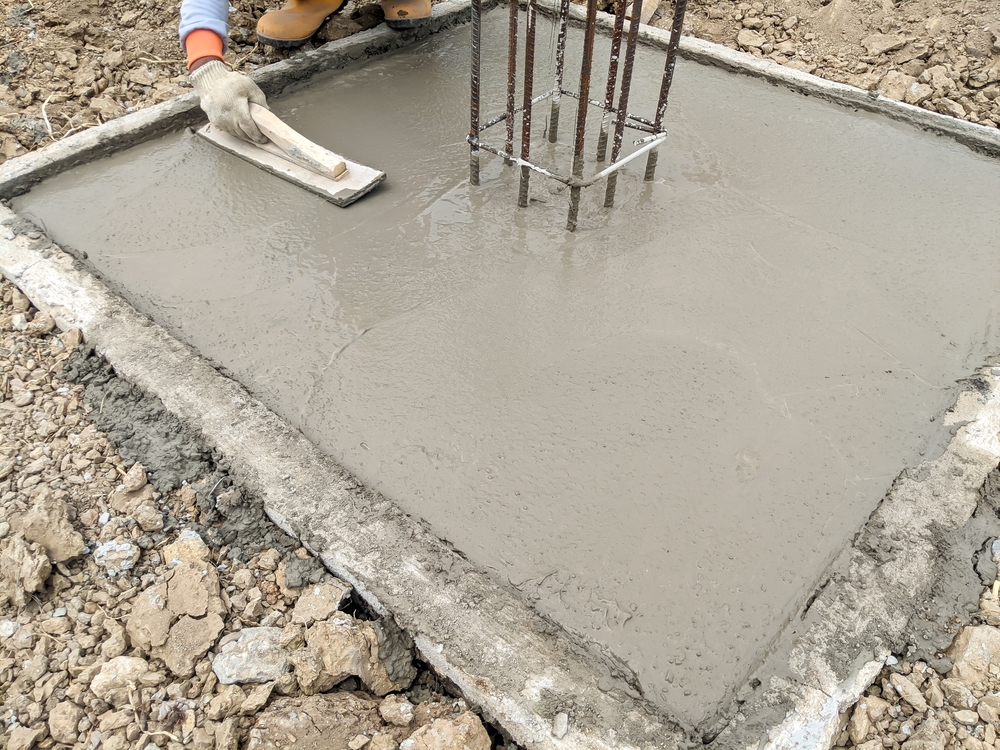
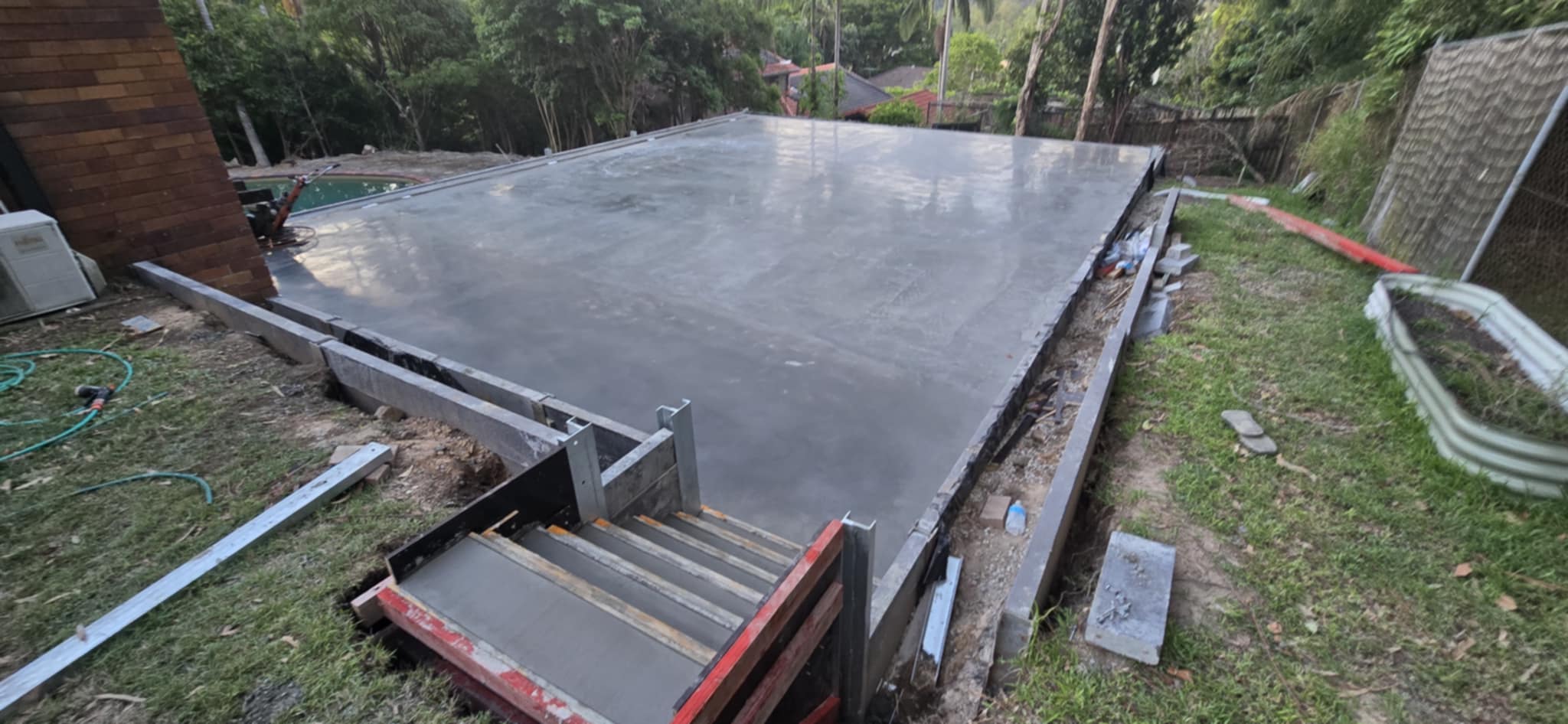
Proper preparation — The most important part of any concrete driveway is what happens before the pour. Excavation, compaction, formwork, and reinforcement all determine how long your new driveway will last.
QBCC licensing — Always ensure your concreter holds a current QBCC licence. This protects you under Queensland's Home Warranty Scheme for residential work over $3,300.
Ready to Get a Quote?
If your driveway is showing any of these signs, we'd be happy to take a look and provide an honest assessment. At Concrete Concepts Group, we handle everything from excavation to the finished pour — no subcontractors, no shortcuts.
Get a free, no-obligation quote by filling out our contact form or calling us directly.
Get a Free Quote for Your Project
No obligation — we'll call you within 24 hours to discuss your needs.
Concrete Concepts Group
QBCC Licensed (#15299707) concreting professionals serving Brisbane and all surrounding areas. Over 100 projects completed with a 5-star reputation.
Explore Our Services
We Service These Brisbane Areas
Homeowner's Guide to Concreting
13-page guide covering finishes, costs, council requirements, and maintenance tips for Brisbane homeowners.
Download Free